
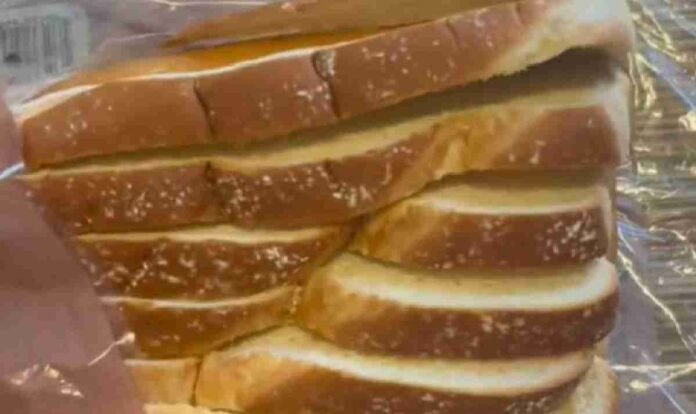

Consumers have been asked to check their freezers in case they have a frozen cheese bread item that has been recalled over fears of Salmonella contamination, which has sparked alarm among food safety experts and public health officials. This recall is just one of the ongoing struggles that food manufacturers have to deal with in maintaining the highest safety standards while at the same time serving millions of customers through retail markets.
The implicated frozen cheese bread products were widely distributed through various retail outlets and unfortunately some of the products may have been purchased and consumed. Consumer protection agencies have gone as far as telling customers that they should neither eat nor sell the products but should throw them away or take them back to the seller for a refund. Authorities and stores are Also collaborating by taking out these commodity products from their store shelves.
Salmonella ranks among the leading causes of illnesses from contaminated foods globally. A large variety of foods can carry the bacteria, and this can cause fever diarrhea abdominal pain, nausea, and vomiting. While many who are healthy get better within a few days, the disease can be dangerous and even fatal for the young old pregnant, and immune-suppressed.
Food safety professionals explain that bacterial contamination recalls are First and foremost precautionary, meaning that they are started even before a large number of affected persons are reported. Their rationale is that this will protect consumers from an unfavorable situation and prevent an outbreak. A great number of times, contamination is noticed using routine testing of quality, production inspections, or through the supplier and regulatory reports.
This recall is an eye-opener as it shows how complicated the food supply chains of today have become. Starting from raw material sourcing and product manufacturing, packaging, and distribution, food companies have to handle multiple processes simultaneously that ensure their products are still safe to eat. A very slight mistake in the production line can result in the recall of thousands of consumers’ products leading to massive impacts.
Frozen foodstuffs are normally understood as a safe and handy solution for people who do not have time to cook frequently. This makes it a very attractive option. Yet, if there are faults in food safety protocols during production, bacterial contamination can still happen before freezing. This means that harmful bacteria can still be present in such food items. Even though bacteria growth is greatly hindered at low temperatures, there is no guarantee that all harmful microorganisms have been killed.
Health authorities ask consumers to be attentive to recall announcements and other information provided by manufacturers and reach out to them if they have any questions. Consumers can protect themselves from being inadvertently exposed to a recalled product simply by comparing the lot number, expiration date, and other details of a package with those listed in the recall. Those who have already eaten the cheese bread and start to suffer from the symptoms of Salmonella infection are strongly advised to go for medical check-ups, In particular if the symptoms are severe and continuous.
Besides costs that a company has to bear for pulling its products and disposing of them once they have been recalled, the company’s image in the eyes of the customers is also shaken. To deal with this, many companies not only implement but also heavily invest in food safety programs, testing, and quality control measures to minimize the risk level of their products and maintain public trust.
This is the reason why food manufacturers are implementing modern technologies to enhance safety monitoring and traceability. These tools include automated inspection systems, modern testing methods, and digital tracking, used individually or in combination – which allow manufacturers to spot potential problems earlier than ever before.

