

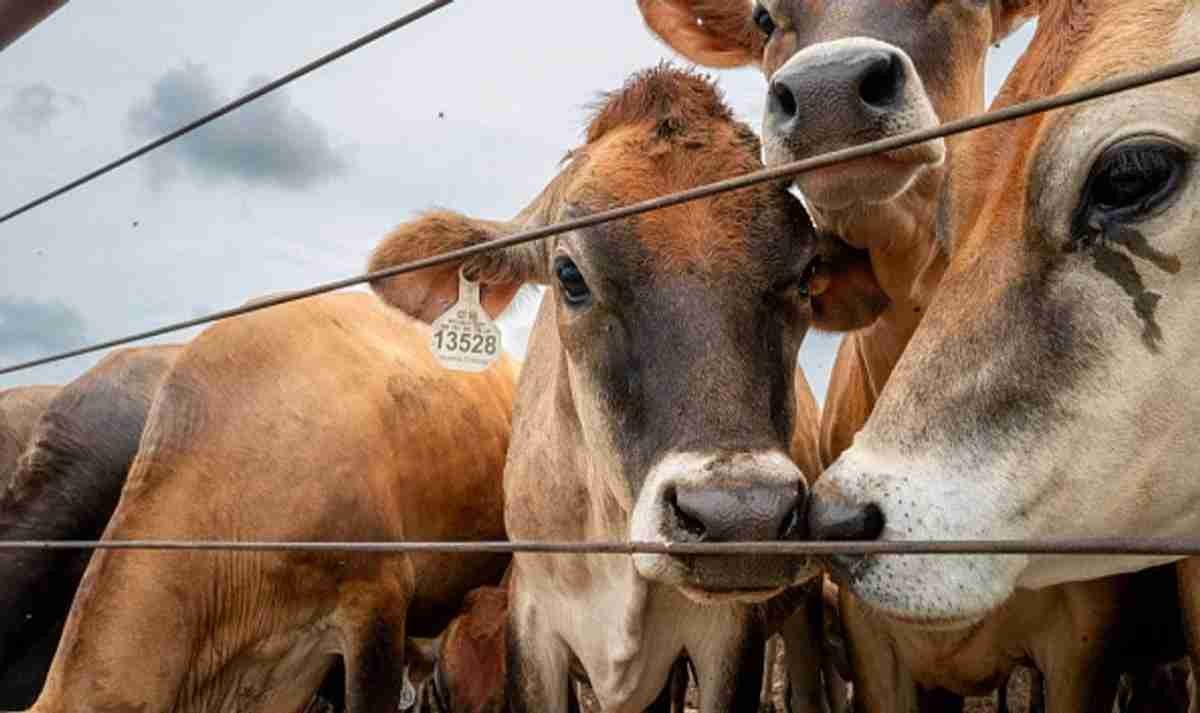
Juan Morales, a rancher, was strolling his field down South Texas last week checking on a calf that was suffering horribly from a large and infected wound. What he found was a reoccurrence of the New World screwworm that had been considered a nightmare in the US and thought to be practically eradicated. To the delight of the cattle industry, and unfortunately, to the disappointment of those sensitive to the price and availability of beef, this flesh-eating insect has been again discovered in the US for the first time after almost 60 years.
On June 3 2026 USDA’s Animal and Plant Health Inspection Service made public that the first case involved a three-week-old calf in Zavala County, Texas. After that, more cases have been detected quicklythe total number of confirmed cases has become five involving Texas and New Mexico and affecting animals such as calves, a goat, and even a dog. The screwworm fly is known for laying eggs in open wounds; larvae that hatch from these eggs then scalpelably burrow into live tissue causing substantial damage, loss of weight, and if left untreated death in severe cases. Although the parasite does not contaminate meat nor is it a direct hazard to the food supply, it needs to be pointed out that its influence on live animals may worsen the current pressure on beef production.
Another reason why this is more of a problem is that the cattle industry in the US was already quite fragile. The nationwide cattle population is currently at its lowest point in 75 years after suffering from drought for several years, very expensive feed, and the thing of consolidation. The US border with Mexicowhich is In fact the main provider of feeder cattle for the US, with exports in hundreds of thousands of heads annuallyhas been closed almost entirely since 2025 to keep the screwworm from going quickly north. That border closure, joined by the domestic finds, is hampering supply chains and forming record beef prices that remain an issue till now and have caused various problems like unavailability of backyard grills or restaurant menus, which have been known for customers.
For him as a cattle farmer, the concern is very tangible. He might see that the first affected animals are desperate for help — but far beyond the closing of their eyes, widespread outbreak might mean quarantines, restrictions on movement and radical increases in vet service and treatment costs. History reminds us how bad things can be: the Texas outbreak from the ’70s resulted in high losses to the tune of hundreds of millions of dollars. Now, it is being estimated that a Texas scare alone will cost up to $1.8 billion in losses; the rest of the world will also suffer indirectly.
Officials, Yet, stress that the measures to contain the outbreak are very intense and that the situation is still manageable, at least for the moment. The quarantine teams from USDA have intensified their patrols, and they have set up the release of millions of sterile male flies every week – a method that had been in the past the key to getting rid of the pest in the US during the 1960s. Besides, a second, bigger sterile fly production plant in Texas which is estimated costing around $750 million is being planned to support the long-term defense capability of the country. Secretary of Agriculture Brooke Rollins and the industry representatives underline that if the actions are carried out rapidly, the consequences for the whole supply of beef and the prices of consumers might not turn out to be very severe, but rather limited.
Yet, it is the human and economic sufferings which are the most apparent at present. The case of Texas’s feedlots which used to depend mostly on the importation of cattle from Mexico is a good example. This forced them to keep operarting far below capacity since the closure of border, at the same time, it has compelled the ranchers to vie for the scarcer domestic animals at premium prices. Instead, for the families who regularly shop at the grocery stores, where the prices of ground beef have been rising sharply Lately, any further shortage in supply can quite be in line to the extension of the agony at the checkout counter not only through the rest of 2026 but even beyond that.
As the cooperating vets ranchers government agencies are dedicated to the 24/7 working hours in this outbreak, the case definitely reminds that not only Nature is full of surprises but modern food systems are also very vulnerable. Though the US food supply is not threatened whereas the inspectors are on high alert, the comeback of the screwworm definitely shows that there is a continuous need for stringent biosecurity both at the borders and within the herds. At this moment, reliance on science, quick service response, and the strength of the cattle community in America seem to be the only ways to prevent a small outbreak from turning into a nationwide crisis which would result in the beef prices going even higher.


