
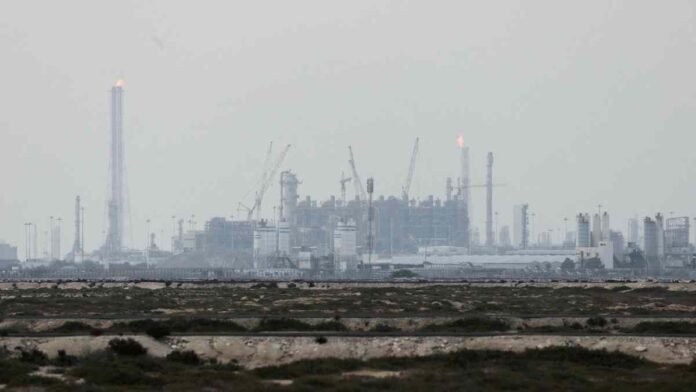

The global energy market has been thrown into turmoil after a series of Iranian strikes severely damaged Qatar’s liquefied natural gas infrastructure, marking one of the most disruptive energy events in recent years. What began as a regional escalation in the Middle East has quickly evolved into a worldwide economic concern, as Qatar’s role as a leading LNG exporter makes any disruption instantly felt across continents.
The attacks targeted Ras Laffan Industrial City, the heart of Qatar’s gas operations and one of the largest LNG production hubs in the world. The facility is responsible for a massive share of global gas exports, supplying key markets across Europe and Asia. Following missile and drone strikes, fires broke out and critical infrastructure suffered extensive damage, forcing partial shutdowns and halting production in some units.
According to QatarEnergy officials, the damage has wiped out nearly 17 percent of the country’s LNG export capacity, a staggering figure considering Qatar’s dominance in the global gas trade. Even more concerning is the timeline for recovery, with estimates suggesting that repairs could take years depending on how the conflict unfolds.
The strikes are part of a broader chain reaction triggered by earlier attacks on Iran’s South Pars gas field, which is jointly shared with Qatar. That escalation led to retaliatory action from Iran, with Gulf energy infrastructure becoming a central target. The result is a rapidly intensifying “energy war” where critical oil and gas facilities are now at the frontline of geopolitical conflict.
The immediate impact has been dramatic. Global oil prices surged toward $110–$120 per barrel, while natural gas prices in Europe jumped sharply, in some cases rising by over 30 percent in a single day. Financial markets reacted quickly, with stocks falling and energy-sensitive sectors experiencing heavy volatility.
What makes this crisis particularly serious is Qatar’s central role in the global LNG supply chain. The country accounts for a significant portion of worldwide exports, and much of its production is tied to long-term contracts with major economies such as China, South Korea, and European nations. Any disruption not only tightens supply but also puts pressure on energy-importing countries already dealing with inflation and economic uncertainty.
Beyond pricing, logistics are also being affected. Shipping routes through the Strait of Hormuz, a vital artery for global energy trade, are now under increased threat. Airlines, cargo operators, and maritime transport companies are already adjusting routes, adding further strain to global supply chains.
The broader concern now is whether this disruption is temporary or the beginning of a longer-term shift in energy security. If attacks on infrastructure continue, countries may be forced to rethink their reliance on concentrated supply hubs like the Gulf region. This could accelerate investments in alternative energy, diversify supply chains, and reshape global energy alliances.
At the same time, the situation underscores the fragile nature of modern energy systems. A single geopolitical flashpoint has been enough to disrupt billions of dollars in infrastructure, shake financial markets, and trigger price shocks worldwide.
As tensions continue to rise, the world is watching closely. The Qatar LNG crisis is no longer just a regional issue but a global turning point that could redefine how energy is produced, transported, and secured in the years ahead.

