

Global health policy is undergoing one of its most turbulent periods in decades as 2025 reveals deep structural disruptions across healthcare systems worldwide. New health policy analyses indicate that a convergence of funding shortfalls, geopolitical instability, climate-driven health risks, and post-pandemic system fatigue is reshaping how nations approach public health planning and crisis response. These disruptions are not isolated to low-income countries but are increasingly affecting developed healthcare systems as well.
One of the most significant challenges highlighted in recent analyses is the sharp reduction and reallocation of global health funding. Several high-income countries have scaled back international health aid, redirecting budgets toward domestic priorities such as defense, energy security, and inflation control. This shift has left many global health programs underfunded, particularly those targeting infectious disease prevention, maternal health, and vaccination infrastructure. As a result, progress made over the past decade in reducing preventable deaths is now at risk of stagnation or reversal.
Health systems are also struggling with long-term workforce exhaustion. Doctors, nurses, and frontline healthcare workers continue to face burnout following years of crisis-level demand. Staffing shortages have become a persistent issue rather than a temporary one, forcing governments to rethink workforce policies, immigration rules for medical professionals, and long-term training investments. In many regions, hospital capacity is being stretched not by sudden emergencies, but by a constant overload of chronic and delayed care cases.
Geopolitical conflicts are further complicating global health coordination. Ongoing wars and regional instability have disrupted supply chains for essential medicines, medical equipment, and vaccines. Humanitarian access to conflict zones remains limited, making disease surveillance and outbreak response increasingly difficult. Health policy experts warn that weakened global coordination could allow localized outbreaks to escalate into cross-border health threats before timely interventions are deployed.
Climate change has emerged as another critical stressor shaping health policy decisions in 2025. Rising temperatures, extreme weather events, and environmental degradation are driving increases in heat-related illnesses, respiratory conditions, and vector-borne diseases. Policymakers are now under pressure to integrate climate resilience into healthcare planning, from hospital infrastructure design to early warning systems for climate-linked health emergencies. However, limited budgets and competing priorities are slowing the pace of meaningful adaptation.
Digital transformation, once seen as a solution to healthcare inefficiencies, is also presenting new policy challenges. While telemedicine and AI-driven diagnostics have expanded access to care, they have raised concerns around data privacy, algorithmic bias, and unequal access to technology. Health policy frameworks are struggling to keep pace with rapid innovation, creating regulatory gaps that could undermine patient trust if not addressed promptly.
Another key issue identified in 2025 analyses is the growing gap between policy commitments and on-the-ground implementation. Governments continue to announce ambitious health strategies, but execution is often hindered by fragmented governance, limited local capacity, and weak accountability mechanisms. This disconnect has led to public skepticism and declining trust in health institutions, particularly in regions where health outcomes have failed to improve despite repeated reforms.
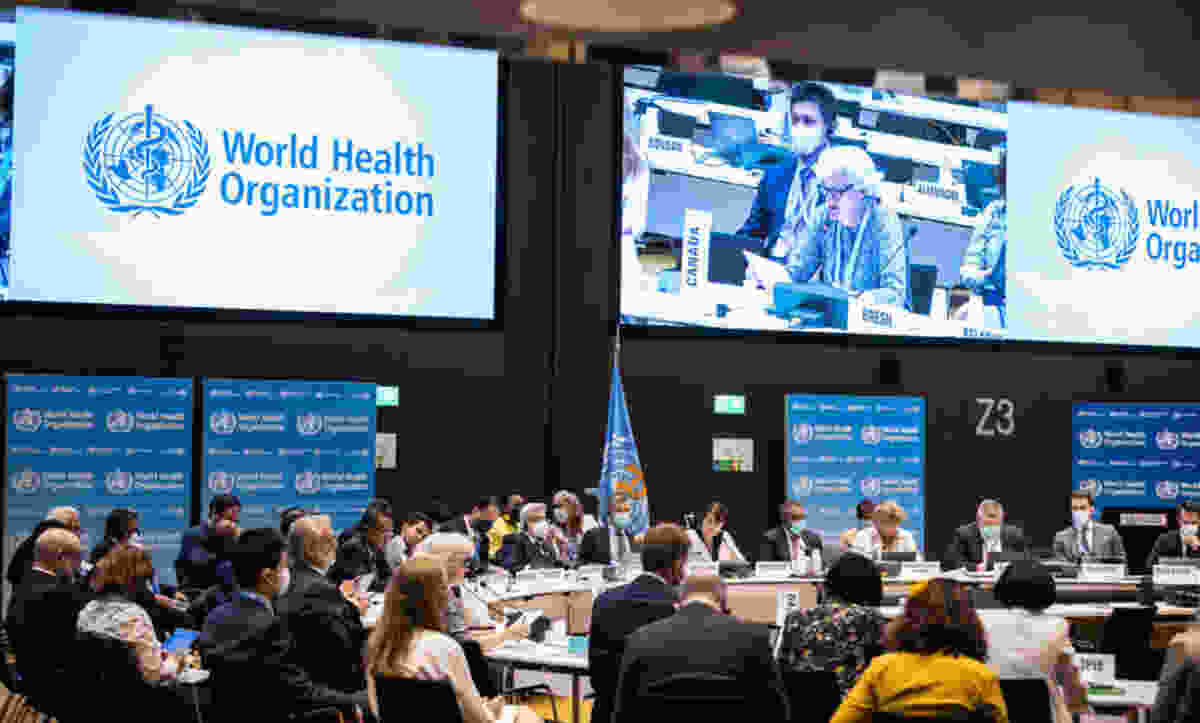
Global organizations such as the World Health Organization are calling for renewed multilateral cooperation to stabilize health systems and restore long-term resilience. Policy experts emphasize the need for predictable funding, stronger health data systems, and integrated approaches that link health with climate, economic, and security planning.
As 2025 progresses, the direction of global health policy will play a defining role in shaping population well-being for years to come. The current disruptions serve as a warning that healthcare systems cannot be treated as reactive services alone. Without sustained investment, coordinated governance, and adaptive policy frameworks, the world risks entering a prolonged period of health insecurity where future crises become harder, costlier, and deadlier to manage.


