

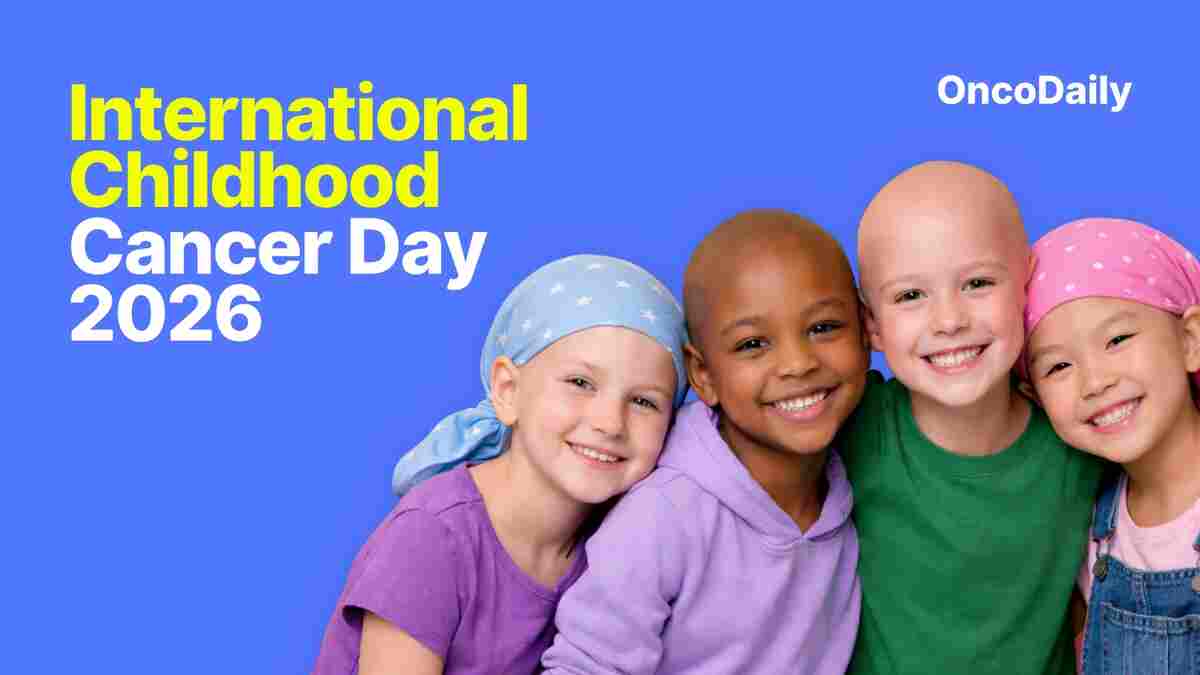
In a major stride for pediatric oncology, recent studies and global health efforts reveal that survival rates for children diagnosed with cancer are among the highest they’ve ever been, particularly in countries with advanced medical infrastructure. While childhood cancers have historically been a daunting diagnosis, modern therapies and early detection protocols are now turning outcomes that once seemed grim into stories of hope for families worldwide.
According to the latest national research from India, an extensive survivorship study tracking thousands of young patients who completed cancer treatment showed that 94.5 % of children were alive five years after primary therapy — an achievement that reflects the power of improved pediatric oncology care when comprehensive treatment is accessible. The study, involving more than 5,000 children across multiple treatment centers, also found event-free survival rates nearing 90 %, and remarkable gains in survival within two years after therapy, reaching as high as 98 % in follow-up assessments.
These figures align with broader data showing that in high-income nations, more than 80 % of children with cancer now survive at least five years after diagnosis — a level that has only been possible because of breakthroughs in chemotherapy, targeted treatments, immunotherapies, and supportive care strategies. Early diagnosis and risk-adapted treatment protocols have been key drivers, allowing physicians to tailor therapies that balance effectiveness with long-term health considerations.
Experts point out that this dramatic improvement is among the most significant success stories in modern medical science. Childhood cancers tend to arise from rapidly dividing cells, which — paradoxically — also makes them more susceptible to traditional treatments like chemotherapy, allowing therapeutic protocols to eliminate cancer cells effectively while preserving healthy tissues. With each decade of research, survival rates have steadily climbed, transforming outcomes that once left families with few options.
Despite these encouraging headlines, global disparities persist, illustrating that access to high-quality care remains uneven across regions. In many low- and middle-income countries, survival rates can be dramatically lower, in part because of delayed diagnoses, lack of specialized pediatric cancer centers, and limited access to essential medicines. For example, survival rates in certain parts of Africa or South Asia remain far below the global averages, underlining the critical need for expanded health infrastructure and targeted support.
Recognizing these gaps, global health organizations such as the World Health Organization (WHO) have launched initiatives aimed at expanding access to childhood cancer diagnostics and treatments worldwide. The WHO’s Global Initiative for Childhood Cancer targets at least 60 % survival for all children with cancer by 2030, which would roughly double survival outcomes for many underserved populations and save millions of young lives over the next decade.
Improved outcomes also bring new challenges and priorities. As increasing numbers of young patients survive cancer, attention is now turning toward long-term care and quality of life after treatment. Survivors may face lingering health issues linked to therapy — such as heart or lung complications, secondary cancers, or other chronic conditions — making holistic follow-up care a growing concern for families and clinicians.
In countries with advanced healthcare systems, specialized pediatric oncology programs are expanding support services to monitor survivors years after their diagnosis, ensuring that early detection of late effects and preventive interventions become part of standard care. This shift demonstrates that survival alone is no longer the only metric of success — ongoing health and well-being matter just as much.
Beyond treatment and care, awareness efforts around childhood cancer — such as International Childhood Cancer Day — are helping reduce stigma, promote early screening, and push for equitable resource allocation. These global campaigns highlight not only the scientific progress achieved so far but also the continued need for investment in research, education, and healthcare access for children everywhere.
As research advances and treatment protocols continue to evolve, the narrative around childhood cancer is transforming from one of fear to one of resilience and progress. With survival rates reaching unprecedented levels, families and clinicians alike are better equipped than ever to face one of childhood medicine’s greatest challenges — turning a diagnosis once steeped in uncertainty into one of genuine hope.


