

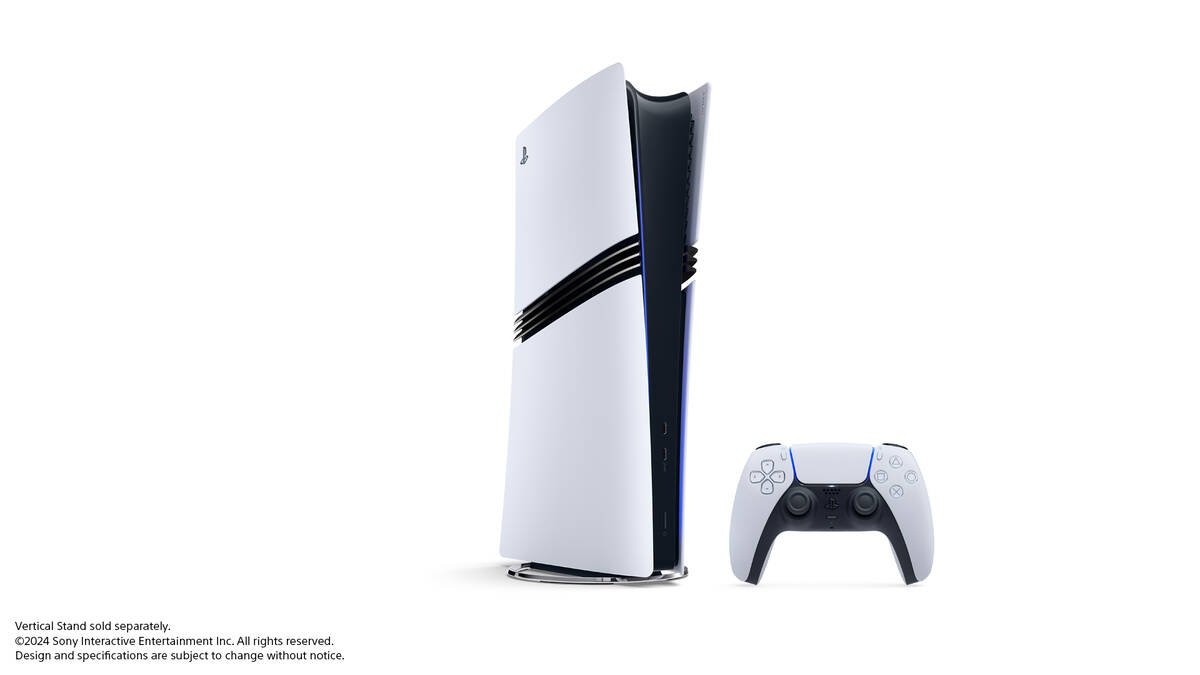
The global gaming industry is facing an unexpected shift as Sony announces a major price increase for its PlayStation 5 lineup, breaking a long-standing trend where consoles typically become cheaper over time. Instead of price drops, gamers are now seeing rising costs, driven largely by a global chip shortage and increasing demand from the booming artificial intelligence sector.
Starting April 2026, Sony has implemented a significant price hike across multiple regions, including the United States, Europe, and Japan. The standard PlayStation 5 now costs around $649.99, while the Digital Edition has risen to approximately $599.99. The premium PS5 Pro has seen the steepest increase, reaching close to $899.99. These changes mark the second major price increase within a year, highlighting the growing pressure on the gaming hardware market.
At the core of this decision is a global shortage of memory chips, particularly DRAM and NAND, which are essential components in modern gaming consoles. The situation has been intensified by the rapid expansion of AI technologies. Companies building large-scale data centers for artificial intelligence are consuming massive amounts of these chips, leaving fewer resources available for consumer electronics like gaming consoles.
This shift in supply priorities has created a ripple effect across the tech industry. Chip manufacturers are focusing on higher-margin AI infrastructure products, which are more profitable than components used in gaming devices. As a result, companies like Sony are forced to pay higher prices for essential parts, ultimately passing those costs on to consumers.
Geopolitical factors have further complicated the situation. Recent global tensions and disruptions in supply chains have impacted the availability of critical materials used in semiconductor production. For example, helium shortages, which are vital for chip manufacturing, have contributed to rising production costs. These combined pressures have made it increasingly difficult for companies to maintain stable pricing.
What makes this situation particularly unusual is the timing. Traditionally, gaming consoles follow a predictable lifecycle where prices decrease as the hardware ages and production becomes more efficient. However, the PlayStation 5, now several years into its lifecycle, is becoming more expensive instead. This reversal reflects a broader change in the economics of the tech industry, where external factors like supply chain disruptions and emerging technologies are reshaping pricing strategies.
The impact is already being felt across the gaming ecosystem. Higher console prices could slow down hardware adoption, especially among casual gamers and younger audiences. Analysts have noted that rising costs may affect overall market growth, with some companies already reporting weaker console sales. This could also influence game developers, as a smaller user base may limit potential revenue from new titles.
At the same time, the price hike is altering competition within the gaming market. With Sony increasing its prices, rival consoles from Microsoft are becoming more attractive in terms of affordability. This shift could lead to changes in market share, particularly in regions where price sensitivity plays a major role in consumer decisions.
For gamers, the situation presents a dilemma. On one hand, the PlayStation 5 continues to offer cutting-edge performance, exclusive titles, and a strong ecosystem. On the other hand, the rising cost makes it a more significant investment than ever before. Many consumers are now considering whether to buy immediately or wait for future price stabilization, though experts suggest that relief may not come anytime soon due to ongoing supply constraints.
Looking ahead, the future of gaming hardware pricing remains uncertain. If the demand for AI infrastructure continues to grow, chip shortages could persist, keeping prices elevated across the industry. This could also impact the development and launch timelines of next-generation consoles, potentially delaying innovations that gamers are eagerly anticipating.
In the bigger picture, Sony’s decision is more than just a pricing adjustment. It reflects a fundamental shift in how global technology markets operate, where gaming, artificial intelligence, and geopolitics are increasingly interconnected. The PlayStation 5 price hike is a clear example of how these forces are shaping the products people use every day.
As the industry adapts to this new reality, one thing is clear: the era of ever-cheaper gaming consoles may be coming to an end. Instead, the future could be defined by premium pricing, advanced technology, and a market driven as much by global trends as by consumer demand.


