

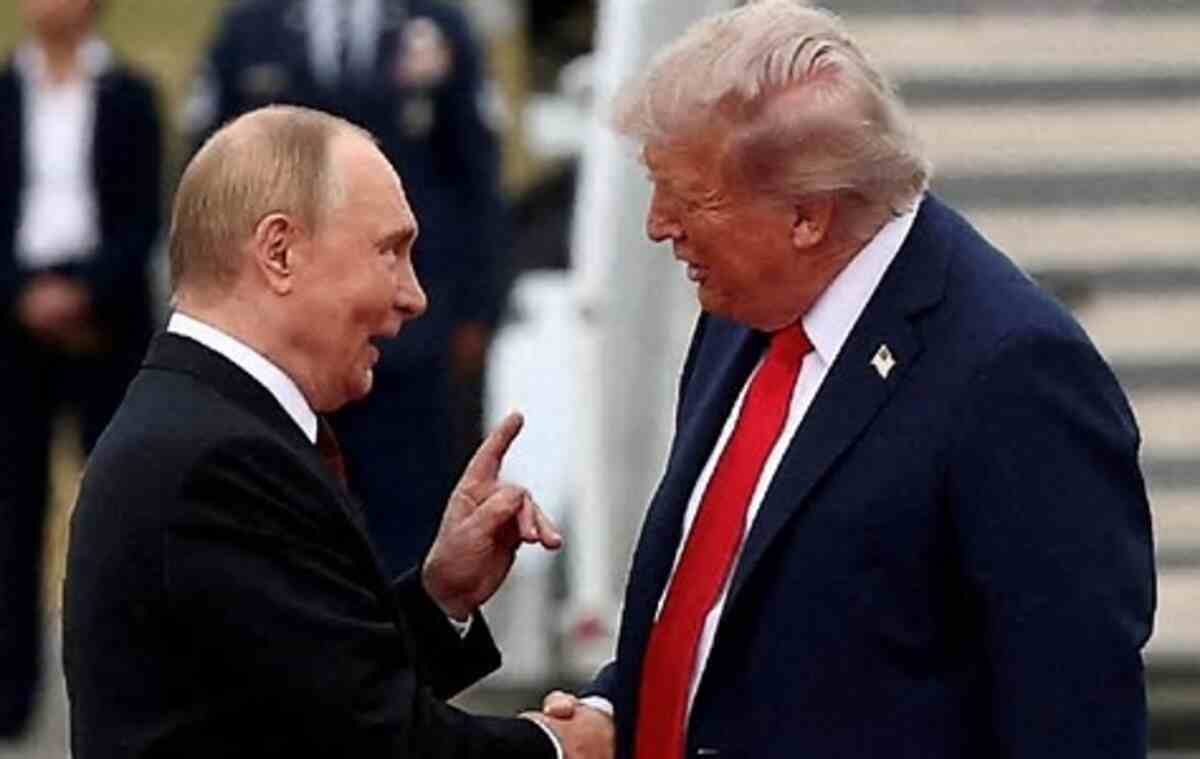
In a surprising development in the Russia-Ukraine war, the Kremlin announced on January 30, 2026 that Russian President Vladimir Putin agreed to halt military strikes on Kyiv until February 1 — an unexpected pause following a personal request from U.S. President Donald Trump aimed at creating conditions more conducive to peace negotiations. The announcement comes amid one of the harshest winters Ukraine has faced, with prolonged bombardment having devastated energy infrastructure and left residents in Kyiv and other cities struggling with power outages and freezing temperatures.
According to statements from the Kremlin, Trump made a direct appeal to Putin to refrain from targeting Kyiv and other parts of Ukraine for one week in order to give diplomatic efforts a stronger footing and provide some relief to civilians enduring severe cold and infrastructure collapse. Kremlin spokesman Dmitry Peskov confirmed that the Russian president agreed to the request until February 1, although he did not detail the precise scope of the pause or specify whether it applied only to the capital or extended to broader regions.
Ukrainian President Volodymyr Zelenskiy, while welcoming the announcement, emphasized that there is no formal ceasefire agreement in place and that ongoing discussions with U.S. and Russian officials are focused on de-escalation rather than a permanent stop to hostilities. Zelenskiy indicated that Ukraine may reciprocate the restraint by suspending attacks on Russian refinery infrastructure, but noted that the suspension of strikes on energy infrastructure was framed by his government as an opportunity rather than a formal deal.
The temporary halt comes as Kyiv braces for plunging temperatures forecast to reach well below freezing, compounding hardship for civilians already suffering from prolonged outages of heat, electricity and essential services. Russian bombardment of Ukraine’s energy grid in recent weeks has knocked out power for hundreds of thousands of residents, making any pause in attacks on infrastructure especially significant for those facing extended cold without reliable heat.
Despite the stated pause, analysts and officials caution that fighting has not stopped entirely. Russian forces have reportedly shifted some of their focus toward strikes on logistics infrastructure such as roads and railways, maintaining pressure on Ukraine’s ability to sustain military operations and civilian life. Ukraine’s air force reported continued missile and drone activity, highlighting that the pause is limited and tactical rather than a broader cessation of conflict.
International reactions to this temporary lull have been mixed. Supporters of intensified diplomatic engagement see the week-long halt as a rare window for advancing peace talks, including U.S.-brokered discussions in Abu Dhabi between Russia, Ukraine and American representatives aimed at laying groundwork for more sustained negotiations. However, enduring issues such as territorial disputes — particularly over the Donetsk region and control of strategic locations like the Zaporizhzhia nuclear facility — have yet to be resolved, presenting major barriers to any long-term peace agreement.
The humanitarian situation continues to attract global concern. Severe winter conditions, coupled with damage to energy and civilian infrastructure, have left millions at risk from exposure, isolation and supply shortages. International voices, including religious and humanitarian leaders, have repeatedly called for an end to the conflict, highlighting the human toll and urging all parties to pursue durable solutions to end years of warfare.
While the pause in strikes on Kyiv is limited and tactical, it shines a spotlight on the fragile balance between military strategy and diplomatic maneuvering in the long-running war. Whether this brief suspension — lasting until February 1 — will translate into more substantive progress toward peace remains uncertain. Both Ukrainian and Russian leadership have signaled that further negotiations are ongoing, but deep disagreements over land, sovereignty and security guarantees continue to complicate any potential breakthrough.
As this temporary break unfolds, attention will likely focus on whether it brings tangible humanitarian relief and whether subsequent talks can build toward a more sustained reduction in hostilities or even a lasting political resolution after years of fierce conflict and international involvement.


