

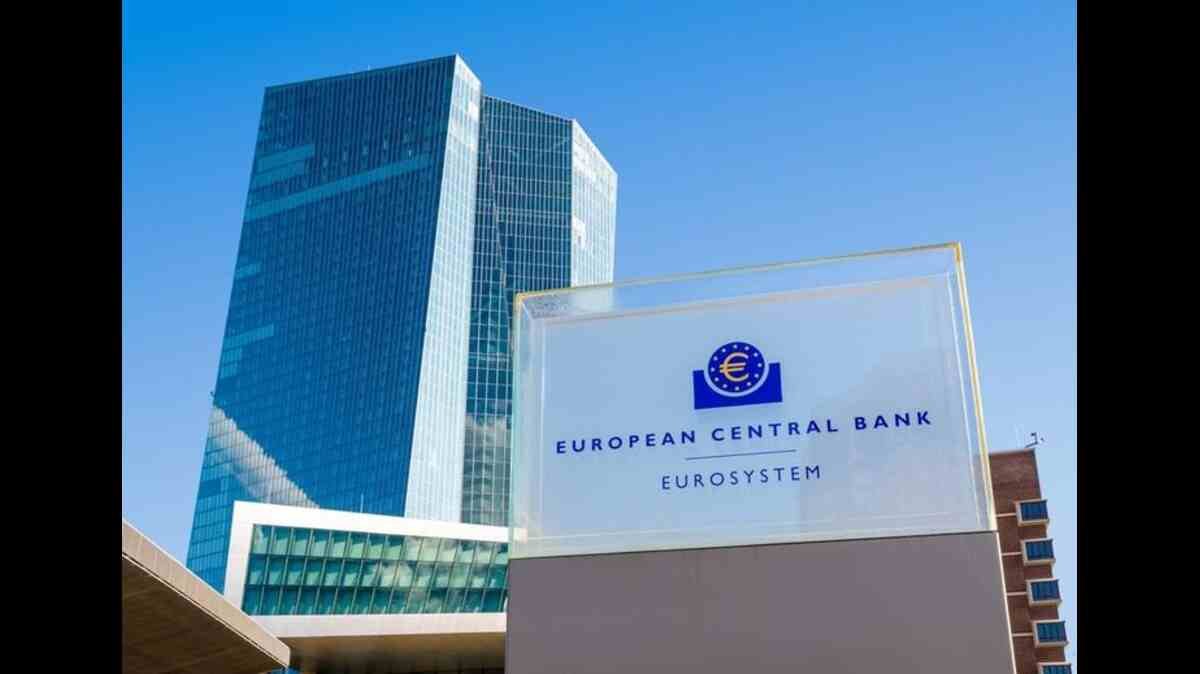
Inflation within the eurozone has edged up again to 3.3 percent in August, from 2.9 percent in July, applying further strain on the European Central Bank to move policy into a tighter stance.
Driven by the rise in energy prices, fuel costs increased by over 14 percent over the year, contributing to upward pressures elsewhere in the economy. The sharp increase in the headline number has further enhanced prospects of the ECB hiking its benchmark interest rates by 25 basis points at the upcoming policy meeting. financial markets has fully discounted the move, and several members of the policy council have already suggested that the current policies will probably not achieve the bank’s two percent target for inflation in the medium term.
Core inflation, excluding energy and food, fell marginally to 2.4 percent, providing a modest offset, though the outlook remains starkly high. This latest figures come at a time of sticky price pressures pushing the central bank to change direction after a prolonged spell of relative price stability.
As oil and gas prices have risen on the back of protracted geopolitical tensions, initial inflation predictions for this year have been revised, with headline inflation now forecast to average something closer to three percent over the coming year, with a bringing back to target not projected to occur until the second half of 2027. Higher prices of the basket of goods and services are also anticipated to experience secondary effects as energy prices filter through the supply chain. The hit to households and firms is already felt.
Energy bills are high, and further increases in borrowing costs bring added precaution. Mortgage and business loan rates and consumer credit are all influenced by ECB moves, and upward pressure will increase the cost of funding throughout the economy. But the ECB will again grapple with the difficult choice of slowing inflation without pushing a recovery still relatively small into stagnation, and we have already cut our GDP forecasts to take account of the additional toll from rate rises and shocks.
They reaffirmed that they remain committed to the 2 percent target. The raises were conditioned on a number of potential outcomes for the evolution of the energy shock. The core measures have shown some moderation but the possibility that higher energy costs might become more ingrained in wage- and price-setting remains.
“All of this is conditional on us acting before second-round effects become more firmly entrenched. It is also a reminder of the constraints that monetary policy faces when talking about geopolitical shocks. While the ECB can change domestic demand and financial conditions, it cannot do anything about the price of oil, or about the length of time during which conflicts affect the global energy market. The coordination with fiscal authorities and energy policy applies because of this more than ever without distorting the monetary policy goal of stable prices. In the future, the September decision is generally seen as the beginning of the beginning of a tighter cycle of less duration compared to the avid crackdown of past years.


